


When it comes to greenhouse construction, the choice of materials is crucial for ensuring the longevity, functionality, and cost - effectiveness of the structure. As a supplier of Film Face Plywood, I often receive inquiries about whether this type of plywood can be used for greenhouse construction. In this blog, we will explore the viability of using film face plywood in greenhouse building, considering its properties, advantages, and potential drawbacks.
What is Film Face Plywood?
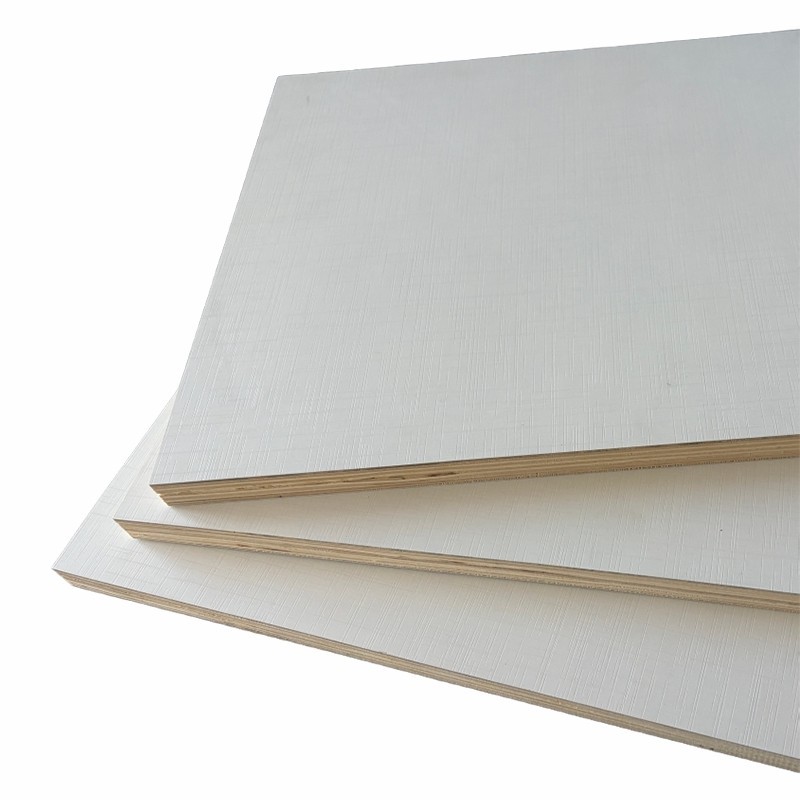
Film face plywood is a type of engineered wood product that is coated with a thin film on one or both sides. This film is usually made of phenolic resin or melamine, which provides a smooth, durable, and water - resistant surface. The film not only enhances the appearance of the plywood but also protects it from moisture, abrasion, and chemicals. Film face plywood is commonly used in construction, furniture making, and packaging industries due to its strength and versatility.
Properties of Film Face Plywood Relevant to Greenhouse Construction
- Strength and Durability: Film face plywood is known for its high strength - to - weight ratio. It can withstand significant loads and stresses, making it suitable for supporting the structure of a greenhouse. The film coating further enhances its durability by protecting the wood from rot, decay, and insect damage. This is particularly important in a greenhouse environment, where the humidity levels are often high.
- Water Resistance: The film coating on film face plywood makes it highly water - resistant. In a greenhouse, where regular watering and high humidity are common, water resistance is essential to prevent the plywood from swelling, warping, or delaminating. This property ensures that the plywood maintains its structural integrity over time.
- Smooth Surface: The smooth surface of film face plywood is beneficial for several reasons. It is easy to clean, which is important in a greenhouse to prevent the growth of mold and mildew. Additionally, the smooth surface can be painted or laminated if desired, allowing for customization of the greenhouse's appearance.
Advantages of Using Film Face Plywood in Greenhouse Construction
- Cost - Effective: Compared to some other materials used in greenhouse construction, such as aluminum or steel, film face plywood is relatively inexpensive. It offers a good balance between cost and performance, making it an attractive option for budget - conscious greenhouse builders.
- Ease of Installation: Film face plywood is relatively easy to cut, shape, and install. It can be joined using standard woodworking techniques, such as nails, screws, or adhesives. This ease of installation can save time and labor costs during the construction process.
- Insulation Properties: Wood, including plywood, has natural insulation properties. In a greenhouse, insulation is important to maintain a stable temperature inside the structure. Film face plywood can help to reduce heat loss in the winter and keep the greenhouse cool in the summer, reducing energy costs.
Potential Drawbacks of Using Film Face Plywood in Greenhouse Construction
- Limited Lifespan: While film face plywood is durable, it may not have the same lifespan as some other materials, such as metal or concrete. Over time, the film coating may wear off, especially if the plywood is exposed to harsh environmental conditions. This can lead to the wood becoming more vulnerable to moisture and damage.
- Fire Hazard: Wood is a combustible material, and film face plywood is no exception. In a greenhouse, where there may be electrical equipment or heat sources, fire safety is a concern. However, there are fire - retardant treatments available that can be applied to the plywood to reduce this risk.
- Aesthetic Limitations: Although the smooth surface of film face plywood can be customized, it may not have the same modern or industrial look as some other materials. For some greenhouse owners, this may be a drawback, especially if the greenhouse is intended to be a prominent feature of their property.
Comparison with Other Greenhouse Construction Materials
- Aluminum: Aluminum is a popular choice for greenhouse construction due to its strength, light weight, and corrosion resistance. However, it is more expensive than film face plywood. Aluminum also has poor insulation properties compared to wood, which can result in higher energy costs.
- Steel: Steel is extremely strong and durable, but it is also heavy and prone to rust if not properly coated. Steel greenhouses can be more expensive to build and maintain than those made of film face plywood.
- Polycarbonate Panels: Polycarbonate panels are lightweight, transparent, and offer good insulation. However, they can be more expensive than film face plywood, and they may scratch easily over time.
Considerations for Using Film Face Plywood in Greenhouse Construction
- Quality of the Plywood: When choosing film face plywood for greenhouse construction, it is important to select a high - quality product. Look for plywood that has a thick, uniform film coating and is made from high - grade wood.
- Proper Installation: To ensure the longevity of the plywood in the greenhouse, it is important to install it correctly. This includes using proper fasteners, ensuring adequate ventilation, and protecting the edges of the plywood from moisture.
- Maintenance: Regular maintenance is required to keep the film face plywood in good condition. This may include cleaning the surface, inspecting for damage, and reapplying the film coating if necessary.
Additional Options and Alternatives
If you are considering different types of plywood for your greenhouse, you might also look into Grey Plywood. Grey plywood offers a unique aesthetic and can have similar properties to film face plywood in terms of strength and durability. Another option is 10 Foot Plywood, which can be useful for larger greenhouse structures, reducing the number of joints and potentially increasing the overall strength of the construction. And if you are interested in the appearance of the plywood, Ply Wood Texture can provide some inspiration for different finishes.
Conclusion
In conclusion, film face plywood can be a viable option for greenhouse construction. It offers several advantages, including strength, water resistance, cost - effectiveness, and ease of installation. However, it also has some potential drawbacks, such as a limited lifespan and fire hazard. By carefully considering the properties of film face plywood and taking appropriate precautions during installation and maintenance, it can be used to build a functional and long - lasting greenhouse.
If you are interested in purchasing film face plywood for your greenhouse project, or if you have any questions about our products, please feel free to contact us for a detailed discussion. We are committed to providing high - quality plywood solutions and can assist you in making the best choice for your greenhouse construction needs.

References
- "Wood Handbook: Wood as an Engineering Material", Forest Products Laboratory, United States Department of Agriculture.
- "Greenhouse Construction and Management", various industry publications.


