


In the realm of construction and interior design, the choice of materials is crucial, not only for the aesthetic and functional aspects but also for their environmental impact. As a supplier of Cedar Melamine Board, I am often asked about how it compares to bamboo board in terms of sustainability. This blog post aims to provide a comprehensive analysis of the two materials, highlighting their respective strengths and weaknesses in the context of environmental friendliness.
Understanding Sustainability in Building Materials
Sustainability in building materials encompasses several key factors. These include the source of the raw materials, the manufacturing process, the product's durability and lifespan, and its end - of - life disposal options. A sustainable material should be sourced from renewable resources, have a low environmental impact during production, last a long time, and be recyclable or biodegradable.
Cedar Melamine Board: An Overview
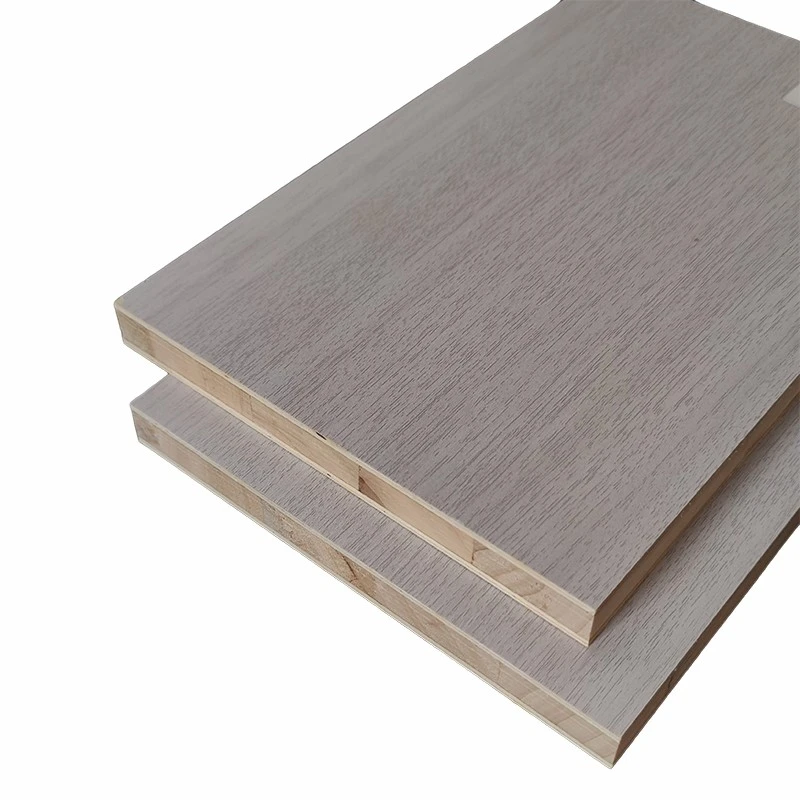
Cedar Melamine Board is a composite material made by bonding a layer of melamine resin to a cedar wood core. Cedar is a softwood known for its natural resistance to decay and insects, which makes it a popular choice for construction. The melamine layer provides a smooth, durable, and easy - to - clean surface.
Sourcing of Cedar
Cedar trees are generally fast - growing and can be sustainably harvested. Many cedar forests are managed under strict regulations to ensure their long - term viability. This means that new trees are planted to replace those that are cut down, maintaining the overall forest ecosystem. For example, in some regions, forest management practices follow the principles of the Forest Stewardship Council (FSC), which certifies that the wood comes from well - managed forests.
Manufacturing Process
The production of Cedar Melamine Board involves bonding the melamine layer to the cedar core using adhesives. While some adhesives may contain volatile organic compounds (VOCs), modern manufacturing techniques have significantly reduced the use of harmful chemicals. Many manufacturers now use low - VOC or formaldehyde - free adhesives, which are less harmful to the environment and human health.
Durability and Lifespan
Cedar Melamine Board is known for its durability. The combination of the natural properties of cedar and the protective melamine layer makes it resistant to scratches, moisture, and wear. This means that it can last for a long time in various applications, such as cabinetry, furniture, and interior wall paneling. A longer lifespan reduces the need for frequent replacements, which in turn reduces the demand for new materials and the associated environmental impact.
End - of - Life Disposal
At the end of its useful life, Cedar Melamine Board can be recycled in some cases. The cedar wood can be chipped and used for mulch or biomass energy, while the melamine layer can potentially be separated and recycled through specialized processes. In addition, if it is not recycled, the cedar component is biodegradable, which means it will break down naturally over time.
Bamboo Board: An Overview
Bamboo is a rapidly renewable resource. It is a type of grass that can grow up to several feet in a single day. Bamboo boards are made by compressing bamboo fibers or strips together, often with the use of adhesives.
Sourcing of Bamboo
Bamboo is highly sustainable in terms of sourcing. It can be harvested without killing the plant, as it regenerates quickly from its root system. Bamboo also requires less water and pesticides compared to many other crops, making it an environmentally friendly choice.
Manufacturing Process
The manufacturing of bamboo boards also involves the use of adhesives. Similar to Cedar Melamine Board, there is a concern about the VOC emissions from these adhesives. However, like in the case of Cedar Melamine Board, many bamboo board manufacturers are now using more environmentally friendly adhesives.
Durability and Lifespan
Bamboo boards are generally strong and durable. They can withstand a fair amount of wear and tear, making them suitable for a variety of applications, including flooring and furniture. However, bamboo is more susceptible to moisture damage compared to Cedar Melamine Board. If not properly maintained, it can warp or rot in high - humidity environments.
End - of - Life Disposal
Bamboo is biodegradable, which is a significant advantage in terms of sustainability. At the end of its life, it can be composted or left to break down naturally. However, if the bamboo board has a non - biodegradable coating or is bonded with non - recyclable adhesives, the disposal process becomes more complicated.
A Comparative Analysis
Sourcing
Both cedar and bamboo are renewable resources. However, bamboo has a slight edge in terms of its extremely fast growth rate. Cedar, on the other hand, is more widely available in many regions, and the forest management practices for cedar are well - established in some areas.
Manufacturing
In terms of manufacturing, both materials have made progress in reducing the use of harmful chemicals. However, the specific environmental impact can vary depending on the manufacturer. It is important to choose products from manufacturers that prioritize sustainability.
Durability
Cedar Melamine Board has an advantage in terms of durability, especially in high - moisture environments. Its resistance to moisture and wear means that it may have a longer lifespan in certain applications compared to bamboo board.

End - of - Life Disposal
Both materials have some form of environmental disposal options. Bamboo's biodegradability is a strong point, but Cedar Melamine Board also offers recycling opportunities for both the wood and the melamine components.
Other Considerations
In addition to the above factors, there are other aspects to consider when comparing Cedar Melamine Board and bamboo board. For example, Cedar Melamine Board comes in a variety of colors and finishes, which can provide more design flexibility. It also has a warm, natural look that is popular in many interior design styles.
If you are interested in exploring other melamine board options, you can check out Poplar Melamine Board, 15mm Melamine Board, and Malacca Melamine Board. These products also offer different characteristics and can be suitable for various projects.
Conclusion
In conclusion, both Cedar Melamine Board and bamboo board have their own advantages in terms of sustainability. Cedar Melamine Board offers durability, a well - established sourcing and manufacturing framework, and recycling opportunities. Bamboo board, on the other hand, is a rapidly renewable resource with strong biodegradability.
When making a choice, it is important to consider the specific requirements of your project, such as the environmental conditions, the desired aesthetic, and the budget. As a supplier of Cedar Melamine Board, I am committed to providing high - quality, sustainable products. If you are interested in learning more about our Cedar Melamine Board or discussing your project requirements, please feel free to reach out. We are here to help you make an informed decision and find the best material for your needs.
References
- Forest Stewardship Council (FSC) guidelines on sustainable forest management.
- Research studies on the environmental impact of melamine board and bamboo board manufacturing.
- Industry reports on the durability and end - of - life disposal of building materials.


