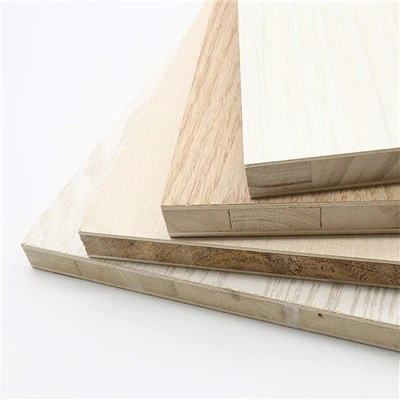
Hey there, DIY enthusiasts! As a supplier of Waterproof Eco Boards, I've heard a ton of questions about working with these boards in DIY projects. So, I thought I'd share my insights and experiences to answer the big question: Is it difficult to work with a Waterproof Eco Board in a DIY project?
What's a Waterproof Eco Board Anyway?
First off, let's talk about what a Waterproof Eco Board is. These boards are designed to be resistant to water, which makes them perfect for areas where moisture is a concern, like bathrooms, kitchens, or outdoor spaces. And the "eco" part means they're made with environmentally friendly materials, which is a huge plus for those of us who want to do our bit for the planet.
One of the great things about Waterproof Eco Boards is that they're often Formaldehyde-free Board. Formaldehyde is a chemical that can be harmful to our health, so it's really important to choose materials that don't contain it. These boards give you peace of mind knowing that you're using a safe and sustainable product in your DIY projects.
The Ease of Cutting and Shaping
When it comes to DIY projects, one of the most important things is how easy the materials are to work with. Waterproof Eco Boards are actually pretty straightforward to cut and shape. You can use a standard saw, like a circular saw or a jigsaw, to cut the boards to the size you need. Just make sure you use a sharp blade to get a clean cut.
I've found that these boards are also quite forgiving when it comes to mistakes. If you make a small error while cutting, you can usually sand down the edges to fix it. And because they're waterproof, you don't have to worry about the edges getting damaged by moisture if you need to make some adjustments later on.
Joining and Installing
Another aspect of working with Waterproof Eco Boards is joining them together and installing them in your project. There are a few different ways to join the boards, depending on your project and the look you're going for. You can use screws, nails, or even adhesive to attach the boards to each other or to a frame.
When it comes to installation, the process is pretty similar to working with other types of plywood. You'll need to make sure the surface you're installing the boards on is clean, level, and dry. Then, you can use a drill to attach the boards to the surface using screws or nails. If you're using adhesive, make sure you follow the manufacturer's instructions carefully to ensure a strong bond.
One thing to keep in mind is that Waterproof Eco Boards are a bit heavier than some other types of plywood, so you might need some help when it comes to lifting and installing them. But once they're in place, they'll provide a solid and durable foundation for your DIY project.
Finishing Touches
Once you've cut, shaped, and installed your Waterproof Eco Boards, it's time to add the finishing touches. You can paint, stain, or seal the boards to give them the look you want. Because these boards are waterproof, they're able to withstand the elements and the wear and tear of everyday use, so you don't have to worry about the finish peeling or chipping.
I recommend using a high-quality paint or stain that's designed for use on wood. This will help protect the boards and give them a beautiful, long-lasting finish. You can also add some decorative elements, like trim or molding, to give your project a more professional look.
Potential Challenges
Of course, no material is perfect, and there are a few potential challenges you might face when working with Waterproof Eco Boards. One of the main challenges is that these boards can be a bit more expensive than some other types of plywood. However, the benefits of using a waterproof and eco-friendly material often outweigh the cost.
Another challenge is that the boards can be a bit more difficult to find in some areas. But as the demand for sustainable building materials continues to grow, more and more suppliers are starting to carry Waterproof Eco Boards. You can also order them online if you can't find them locally.


Conclusion
So, is it difficult to work with a Waterproof Eco Board in a DIY project? In my experience, the answer is no. These boards are relatively easy to cut, shape, join, and install, and they offer a number of benefits, including water resistance and environmental friendliness.
If you're thinking about starting a DIY project and you're looking for a high-quality, sustainable material, I highly recommend considering a Waterproof Eco Board. And if you have any questions or need more information, don't hesitate to reach out. We're here to help you make your DIY project a success.
If you're interested in purchasing Waterproof Eco Boards for your next DIY project, we'd love to hear from you. Contact us to discuss your needs and get a quote. We're committed to providing our customers with the best products and service, and we look forward to working with you.
References
- General knowledge and personal experience as a Waterproof Eco Board supplier.
- Product information and specifications provided by the manufacturers of Waterproof Eco Boards.