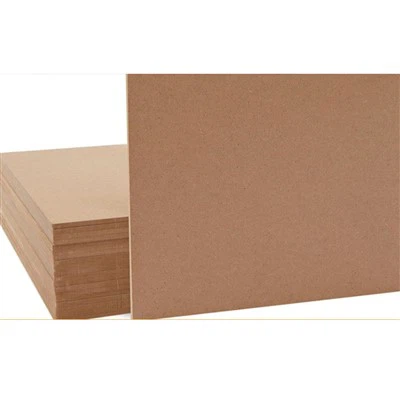
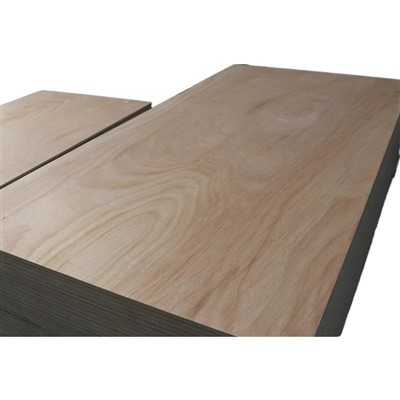
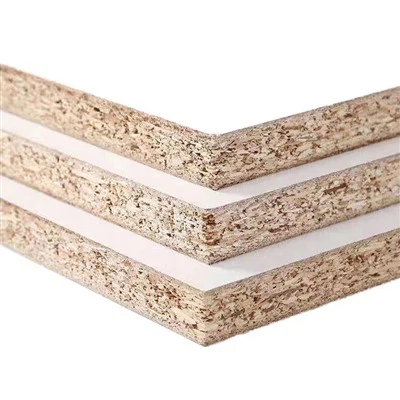
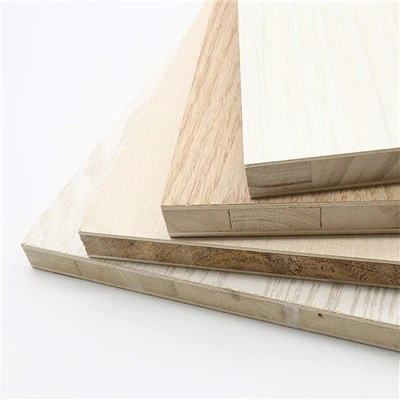
Plywood is a board made of multiple layers of wood veneer bonded together with adhesive. It possesses excellent physical properties and a wide range of uses. Hot pressing is a crucial step in the plywood production process, directly impacting its quality and performance. Below, we will discuss the principles of plywood hot pressing in detail.
Basic Principles of Hot Pressing
Hot pressing uses heat and pressure to cure the adhesive, thereby firmly bonding multiple layers of wood veneer together. During the hot pressing process, the adhesive undergoes a chemical reaction at high temperatures, transforming from a liquid to a solid state, forming a strong bond. Simultaneously, the pressure helps the adhesive penetrate the wood fibers better, enhancing the bond.
Key Factors in the Hot Pressing Process
1. Temperature: Temperature is a crucial factor influencing adhesive curing. An appropriate temperature accelerates the chemical reaction and improves bond strength. However, excessively high temperatures can cause the adhesive to cure too quickly, affecting the bonding effect; while excessively low temperatures may prevent the adhesive from fully curing.
2. Pressure: Appropriate pressure ensures even distribution of the adhesive between the wood veneers and removes excess air and adhesive, thereby improving bonding quality. Insufficient pressure may result in a weak bond; excessive pressure may damage the wood or cause adhesive overflow.
3. Time: Hot pressing time is also a key factor influencing bonding effectiveness. Sufficient time ensures that the adhesive fully cures, forming a stable bond. Too little time may result in incomplete curing; too long a time may reduce production efficiency and increase costs.
The Impact of Hot Pressing on Plywood Properties
A proper hot pressing process can produce plywood with excellent properties. Hot pressing increases the density and strength of wood, giving the plywood greater load-bearing capacity and durability. It also helps reduce wood deformation and cracking, improving the stability and service life of the plywood.