


Hey there! As a supplier of eco - friendly boards, I often get asked a super important question: Are eco - friendly boards resistant to mold and mildew? Well, let's dig into this topic and find out.
First off, let's understand what mold and mildew are. Mold is a type of fungus that can grow on various surfaces, especially in damp and dark environments. Mildew, on the other hand, is a specific form of mold that usually appears as a thin, powdery coating on the surface of materials. Both mold and mildew not only look ugly but can also cause health problems, like allergies and respiratory issues.
Now, when it comes to eco - friendly boards, the answer to whether they're resistant to mold and mildew isn't a simple yes or no. It depends on a few factors.
Material Composition
One of the key factors is the material used to make the eco - friendly boards. Many of our eco - friendly boards, such as the Eco - core Board, are made from sustainable materials like recycled wood fibers, bamboo, or agricultural waste. These natural materials have some inherent properties that can affect their mold and mildew resistance.
For example, bamboo is known for its natural antibacterial and antifungal properties. It contains a substance called bamboo kun, which helps prevent the growth of mold and mildew. So, boards made from bamboo are generally more resistant compared to some other materials. However, if the bamboo is not properly treated or if it's constantly exposed to high levels of moisture, it can still develop mold.
Recycled wood fibers, on the other hand, can be a bit more tricky. While the wood itself may have some natural resistance, the recycling process can sometimes introduce new factors. If the recycled wood is not thoroughly cleaned or if it's mixed with other materials that are prone to mold growth, the overall mold resistance of the board can be compromised.
Treatment and Finishing
Another crucial factor is the treatment and finishing applied to the eco - friendly boards. At our company, we take several steps to enhance the mold and mildew resistance of our products.
We use eco - friendly treatments that are designed to inhibit the growth of mold and mildew. These treatments are often based on natural ingredients, like essential oils or plant extracts, which are not only effective but also safe for the environment. For example, some of our treatments contain tea tree oil, which has strong antifungal properties.
In addition to treatments, the finishing of the boards also plays a role. A good quality finish can act as a barrier between the board and the environment, preventing moisture from seeping in. Our Decorative Eco Panel has a special finish that not only gives it an attractive appearance but also helps protect it from mold and mildew.
Environmental Conditions
The environment in which the eco - friendly boards are used is also a major factor. Even the most mold - resistant boards can develop mold if they're exposed to the wrong conditions.
High humidity is one of the biggest culprits. If the relative humidity in a room is consistently above 60%, it creates an ideal environment for mold and mildew to grow. Areas like bathrooms, basements, and kitchens are particularly prone to high humidity. In these areas, it's important to ensure proper ventilation to reduce the moisture levels.
Water exposure is another issue. If the boards are directly exposed to water, such as from a leaky pipe or a flood, they are at a high risk of developing mold. In such cases, it's crucial to dry the boards as quickly as possible to prevent mold growth.
Testing and Certification
To give our customers peace of mind, we conduct rigorous testing on our eco - friendly boards to ensure their mold and mildew resistance. We test the boards under different environmental conditions, including high humidity and water exposure, to see how they perform.
We also have our products certified by independent third - party organizations. These certifications verify that our boards meet certain standards for mold and mildew resistance. For example, some of our boards have received certifications that indicate they have a low risk of mold growth even in high - moisture environments.
Real - World Performance
In real - world applications, our eco - friendly boards have shown good performance in terms of mold and mildew resistance. Many of our customers have used our 7mm Bracing Ply in various projects, from interior wall paneling to outdoor structures. They've reported that the boards have remained free of mold and mildew even in challenging conditions.
However, it's important to note that proper installation and maintenance are also key. If the boards are not installed correctly, there may be gaps or areas where moisture can accumulate, increasing the risk of mold growth. And regular cleaning and inspection can help catch any potential issues early on.
Conclusion
So, are eco - friendly boards resistant to mold and mildew? The answer is that they can be, but it depends on several factors, including the material composition, treatment and finishing, environmental conditions, and proper installation and maintenance.
At our company, we're committed to providing high - quality eco - friendly boards that offer good mold and mildew resistance. We use the latest technologies and eco - friendly materials to ensure that our products are not only sustainable but also durable and resistant to common problems like mold and mildew.

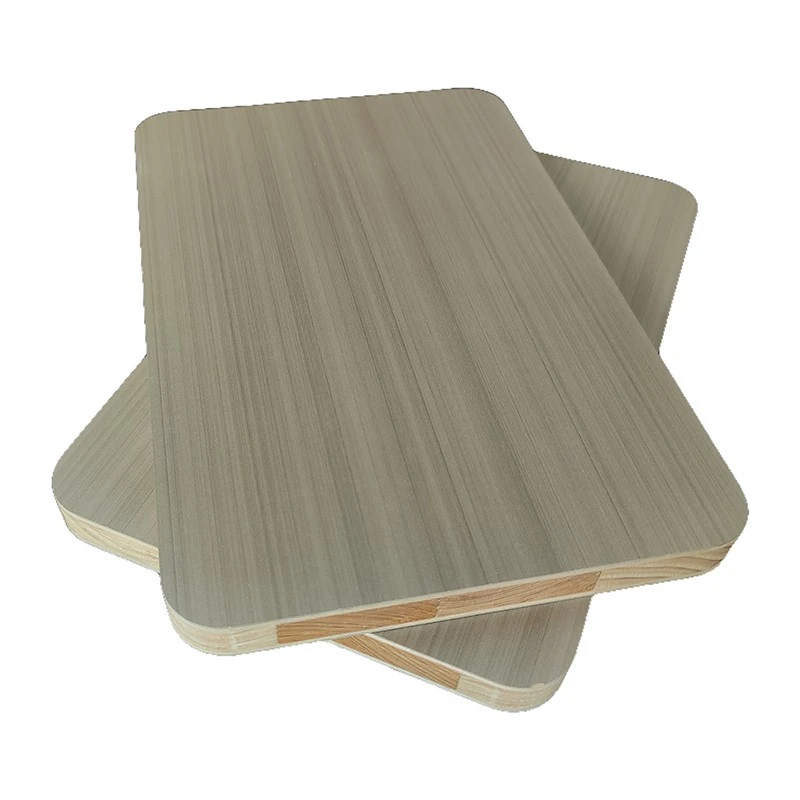
If you're interested in using our eco - friendly boards for your next project, whether it's a small DIY job or a large commercial construction, we'd love to hear from you. Contact us to discuss your specific needs and get more information about our products. We're here to help you make the right choice for your project and ensure that you get the best results.
References
- "Mold and Mildew: Causes and Prevention" - National Institute of Environmental Health Sciences
- "Properties of Bamboo and Its Applications in Construction" - Journal of Sustainable Building Materials
- "Testing Standards for Mold Resistance of Building Materials" - ASTM International


