


Hey there! As a supplier of MR Grade Plywood, I've had my fair share of experiences and know - how about working with this versatile material. Today, I'm gonna share with you some tips on how to bend MR Grade Plywood.

Understanding MR Grade Plywood
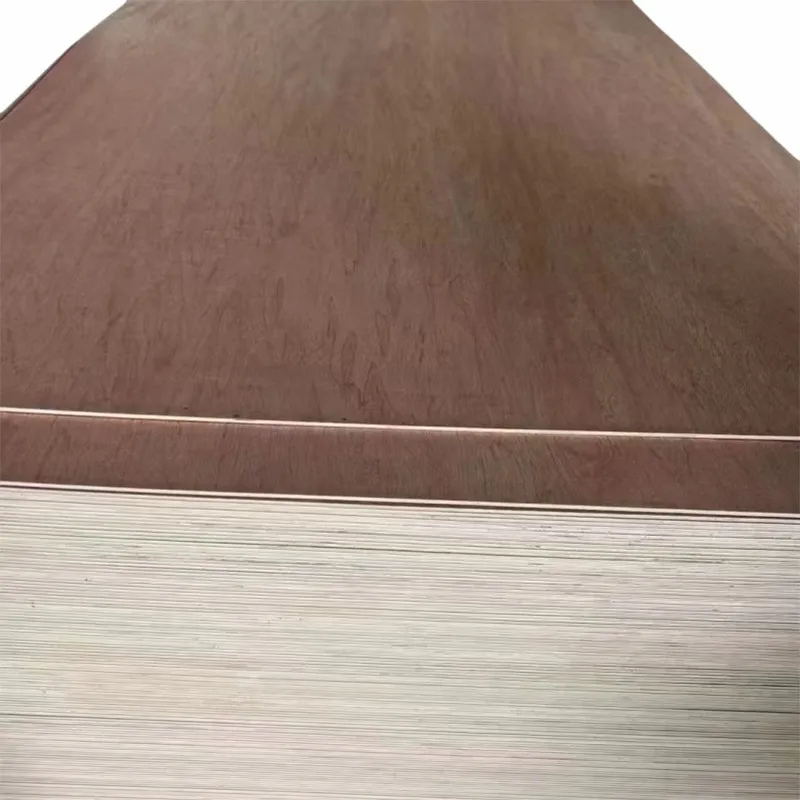
First off, let's talk a bit about what MR Grade Plywood is. MR stands for Moisture Resistant. This type of plywood is designed to withstand moderate levels of moisture, making it suitable for a variety of indoor applications. It's made by gluing together multiple layers of thin wood veneers, with the grain of each layer running perpendicular to the adjacent ones. This cross - grain construction gives the plywood its strength and stability.
You can find different types of plywood on our website, like Home Hardware Plywood and Lightweight Plywood. And if you're looking for a specific thickness, we also have 5 mm Plywood.
Why Bend MR Grade Plywood?
There are plenty of reasons why you might want to bend MR Grade Plywood. Maybe you're into woodworking and want to create some unique furniture pieces, like curved chairs or cabinets. Or perhaps you're working on a DIY project, such as building a custom - shaped bookshelf or a decorative wall panel. Bending the plywood allows you to add curves and flowing lines to your designs, giving them a more organic and interesting look.
Preparing the Plywood
Before you start bending the plywood, you need to prepare it properly. First, choose the right thickness of plywood. Thinner plywood, like our 5 mm Plywood, is generally easier to bend than thicker ones. But keep in mind that thinner plywood may be less sturdy, so you'll need to consider the structural requirements of your project.
Next, you'll want to cut the plywood to the desired size and shape. Use a sharp saw to make clean cuts, and sand the edges to remove any rough spots. This will not only make the plywood easier to work with but also prevent splintering during the bending process.
Methods of Bending MR Grade Plywood
Steam Bending
One of the most common methods for bending plywood is steam bending. This involves exposing the plywood to steam to make it more pliable. Here's how you can do it:
- Build a Steam Box: You can make a simple steam box out of wood or PVC pipes. The box should be long enough to accommodate the length of the plywood you want to bend. Drill holes in the bottom of the box to allow steam to enter.
- Prepare the Steam Source: You can use a steam generator or a large pot of boiling water. Connect the steam source to the steam box using a hose.
- Place the Plywood in the Steam Box: Put the plywood inside the steam box and close the lid. Make sure the plywood is positioned in a way that allows steam to circulate around it evenly.
- Steam the Plywood: Let the plywood steam for about 30 minutes to an hour, depending on the thickness of the plywood. Thicker plywood will require more steaming time.
- Bend the Plywood: Once the plywood is sufficiently steamed, carefully remove it from the steam box and bend it to the desired shape. You can use a form or a mold to hold the plywood in place while it cools and sets.
Lamination Bending
Another method is lamination bending. This involves gluing multiple thin layers of plywood together and then bending them as a single unit. Here's the process:
- Cut the Layers: Cut several thin layers of plywood to the same size and shape. You can use our 5 mm Plywood or even thinner veneers.
- Apply Glue: Apply a thin layer of wood glue to one side of each layer of plywood. Make sure to spread the glue evenly.
- Stack the Layers: Stack the glued layers on top of each other, aligning them carefully.
- Bend the Laminated Plywood: Place the laminated plywood on a form or a mold and bend it to the desired shape. Use clamps or straps to hold the plywood in place while the glue dries.
- Let the Glue Dry: Allow the glue to dry completely according to the manufacturer's instructions. This usually takes a few hours to overnight.
Tips for Successful Bending
- Take Your Time: Bending plywood is a delicate process, so don't rush it. Make sure the plywood is properly prepared and that you follow the bending method correctly.
- Use a Form or a Mold: A form or a mold will help you achieve the desired shape and ensure that the plywood bends evenly. You can make a form out of wood, plastic, or metal.
- Test a Small Piece First: Before you start bending a large piece of plywood, it's a good idea to test the bending method on a small scrap piece. This will allow you to adjust the process if needed and avoid wasting expensive materials.
- Protect Yourself: When working with steam or glue, make sure to wear protective gear, such as gloves and goggles, to prevent injuries.
After Bending
Once you've bent the plywood to the desired shape, you'll need to finish it. Sand the surface of the plywood to smooth out any rough spots and give it a nice finish. You can also apply a stain, paint, or varnish to protect the plywood and enhance its appearance.
Conclusion
Bending MR Grade Plywood can be a fun and rewarding process that allows you to create unique and beautiful woodworking projects. Whether you choose steam bending or lamination bending, following the right steps and using the proper techniques will help you achieve great results.
If you're interested in purchasing MR Grade Plywood or have any questions about bending it, feel free to reach out to us. We're here to help you with all your plywood needs. Let's start creating some amazing projects together!
References
- Woodworking magazines and online forums
- Manufacturer's guidelines for MR Grade Plywood


