


Hey there! I'm a supplier of Ply Wood Texture, and today I wanna chat about the environmental impacts of ply wood texture production. It's a topic that's super important, not just for us suppliers but for the whole planet.
Let's start with the raw materials. Ply wood texture is mainly made from wood, and the sourcing of this wood can have a huge impact on the environment. If the wood comes from illegal logging or unsustainable forests, it can lead to deforestation. Deforestation is a big deal because it destroys habitats for countless plant and animal species. Trees are also important for absorbing carbon dioxide, a major greenhouse gas. When we cut down too many trees, there are fewer of them to soak up this CO2, which contributes to global warming.
But it's not all doom and gloom. There are ways to source wood sustainably. For example, some suppliers, including us, make sure to get our wood from forests that are certified by organizations like the Forest Stewardship Council (FSC). FSC-certified forests are managed in a way that ensures the long - term health of the forest ecosystem. This means that trees are harvested at a rate that allows them to regenerate, and the wildlife habitats are protected.
Now, let's talk about the manufacturing process. Making ply wood texture involves several steps, and each one can have an environmental impact. One of the key steps is gluing the layers of wood together. Traditional glues often contain formaldehyde, a chemical that can be harmful to both the environment and human health. When formaldehyde is released into the air during the manufacturing process or when the finished product is in use, it can cause respiratory problems and other health issues.
However, there are alternatives. We've been using Formaldehyde-free Board in our production. These boards are made with adhesives that don't release harmful chemicals. Not only is this better for the environment, but it also makes our products safer for our customers.
Another aspect of the manufacturing process is energy consumption. Factories need a lot of energy to run the machinery used in ply wood texture production. Most of this energy comes from non - renewable sources like coal and oil, which contribute to air pollution and climate change. To reduce our energy footprint, we've been investing in more energy - efficient equipment. We're also looking into using renewable energy sources, such as solar panels, to power our factory.
The waste generated during the production process is another concern. There's a lot of wood waste, such as sawdust and off - cuts, that can pile up if not managed properly. Instead of just throwing this waste away, we've been finding ways to recycle it. For example, we can turn the sawdust into biomass fuel, which can be used to generate energy. This not only reduces the amount of waste going to landfills but also provides an alternative energy source.
Transportation is also an important factor. Once the ply wood texture products are made, they need to be transported to our customers. Trucks and ships that are used for transportation emit greenhouse gases, mainly carbon dioxide. To minimize this impact, we try to optimize our delivery routes. We also work with logistics partners who are committed to reducing their carbon emissions. For instance, some of our partners are using more fuel - efficient vehicles or exploring alternative fuels.
When it comes to the end - of - life of our products, it's crucial to consider how they'll be disposed of. Ply wood texture products can last a long time, but eventually, they'll need to be replaced. If they end up in landfills, they can take a long time to decompose, and they may release harmful chemicals into the soil and groundwater. To address this, we encourage our customers to recycle our products. We also offer take - back programs in some areas, where we collect the old products and recycle them into new materials.
We're also big fans of Eco-friendly Board. These boards are made from sustainable materials and are designed to have a minimal environmental impact throughout their life cycle. They're not only good for the planet but also meet the high - quality standards that our customers expect.
In addition to our own efforts, we're also involved in industry initiatives to promote more sustainable practices. We collaborate with other suppliers, environmental organizations, and government agencies to share knowledge and develop better environmental standards for ply wood texture production.
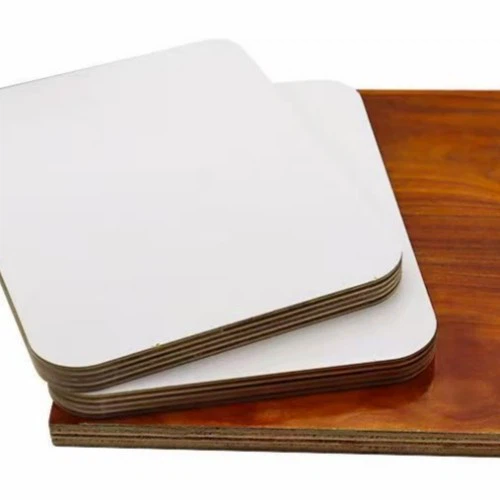
One of the products we're really proud of is Rtd Plywood. It's a type of ready - to - use plywood that has a beautiful texture. We've made sure that its production adheres to the highest environmental standards. From the sustainable sourcing of the wood to the use of eco - friendly adhesives, every step is carefully considered to minimize its environmental impact.

So, as you can see, there are many environmental impacts associated with ply wood texture production, but there are also a lot of ways to mitigate them. We're committed to being as environmentally friendly as possible in our business. We believe that by making these changes, we can not only protect the environment but also create better products for our customers.
If you're interested in our ply wood texture products and want to learn more about our sustainable practices, or if you're looking to place an order, don't hesitate to reach out. We're always happy to have a chat and discuss how we can meet your needs. Whether you're a contractor, a furniture maker, or a DIY enthusiast, we've got the right ply wood texture for you. Let's work together to build a more sustainable future!
References
- Forest Stewardship Council (FSC). "What is FSC Certification?"
- Environmental Protection Agency (EPA). "Formaldehyde: A Guide for Indoor Air Quality"
- International Energy Agency (IEA). "Renewable Energy in Industry"


