


Hey there! I'm a supplier of Oak Veneer Plywood, and I often get asked about the best drill bits for working with this type of material. Oak Veneer Plywood is a popular choice for various woodworking projects due to its beautiful appearance and good durability. But using the wrong drill bits can lead to a bunch of problems, like splintering, rough holes, or even damage to the veneer. So, in this blog, I'm gonna share with you what kind of drill bits are suitable for Oak Veneer Plywood.
Why Drill Bit Selection Matters
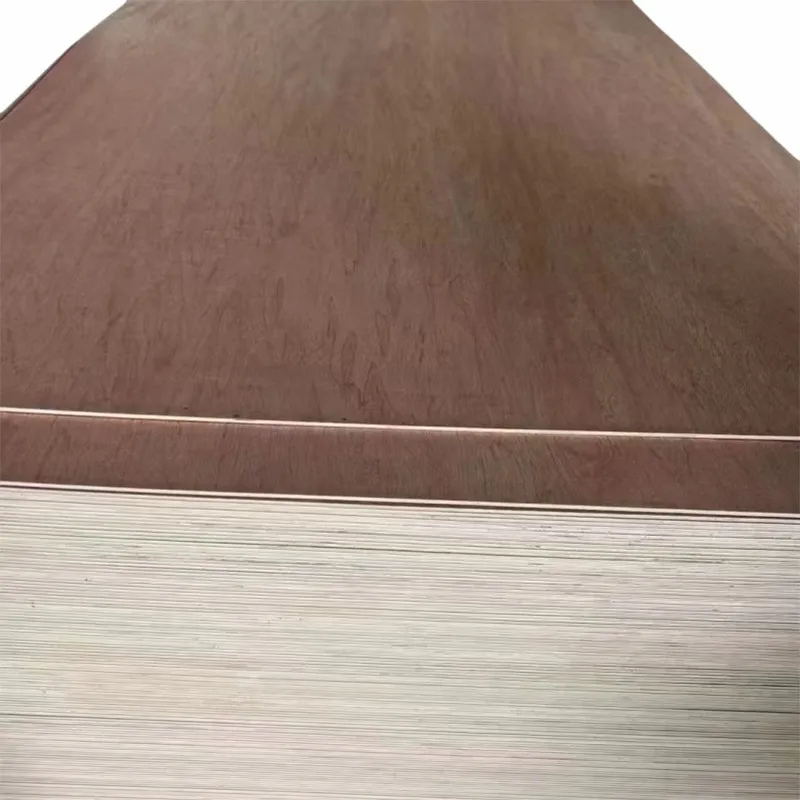
First off, let's talk about why picking the right drill bits is so important. Oak Veneer Plywood consists of a thin layer of oak veneer glued to a plywood core. The veneer is the part that gives the plywood its nice look, but it's also quite delicate. If you use the wrong drill bit, you can easily chip or splinter the veneer, ruining the appearance of your project. Also, the core of the plywood might have different properties depending on what it's made of, like Eco-core Board, which could affect how well a drill bit performs.
Types of Drill Bits
Brad - Point Drill Bits
These are my top recommendation for drilling into Oak Veneer Plywood. Brad - point drill bits have a sharp center point and two spurs on the outside. The center point helps to accurately locate the hole, and the spurs score the wood before the cutting edges start removing material. This scoring action prevents the veneer from splintering as the bit goes through. They're great for making clean, precise holes, whether you're putting in screws for assembly or making holes for dowels.
When using brad - point drill bits, it's important to apply steady pressure. Don't force the bit too hard, as that can still cause damage. Just let the bit do its job at a normal pace, and you'll get nice, clean holes.
Forstner Bits
Forstner bits are another good option, especially if you need to drill flat - bottomed holes. They're excellent for creating holes for hardware, like hinges or drawer pulls. The flat cutting edge of a Forstner bit cuts cleanly through the oak veneer and the plywood core, leaving a smooth, professional - looking hole.
However, Forstner bits can be a bit more expensive than other types of drill bits. And they require a drill press for the best results. If you're working on a project where you need accurate, flat - bottomed holes, though, it's worth the investment.
Spade Bits
Spade bits are a common and inexpensive option, but they're not the best for Oak Veneer Plywood. They have a flat, paddle - shaped design with a pointed tip. While they can drill through the plywood quickly, they tend to cause a lot of splintering on the veneer side. If you do use spade bits, it's a good idea to use a backing board on the backside of the plywood to reduce splintering. But overall, I'd only recommend using spade bits in situations where the appearance of the hole isn't a big deal.
Auger Bits
Auger bits are designed for drilling deep holes in wood. They have a screw - like design that pulls the bit into the wood as it rotates. They work well in solid wood, but for Oak Veneer Plywood, they can be a bit tricky. The aggressive cutting action of an auger bit can cause splintering on the veneer. However, if you're drilling large - diameter holes deep into the plywood core and the veneer appearance isn't a major concern, an auger bit can get the job done.
Considerations When Choosing Drill Bits
Bit Size
The size of the drill bit you choose depends on the project you're working on. If you're using screws, you'll want to choose a drill bit that's slightly smaller than the screw's diameter to ensure a tight fit. For dowels, the bit size should match the dowel diameter exactly.

Speed and Feed Rate
The speed at which you drill and the feed rate (how fast you push the bit into the wood) also matter. When using a drill press, you can adjust the speed based on the type of bit and the size of the hole. Generally, slower speeds are better for Oak Veneer Plywood to prevent overheating and splintering. With a hand drill, it's a bit more difficult to control the speed precisely, but you should still try to go at a moderate pace.
Veneer Thickness
The thickness of the oak veneer can also affect your choice of drill bit. Thicker veneers are more forgiving and may be able to withstand a bit more abuse from a drill bit. Thinner veneers, on the other hand, require extra care. For very thin veneers, I'd definitely stick with brad - point or Forstner bits to ensure a clean cut.
Tips for Drilling Oak Veneer Plywood
- Use a Backing Board: As I mentioned earlier, using a backing board can help reduce splintering on the backside of the plywood. Just place a scrap piece of wood behind the area you're drilling, and it will support the wood as the bit exits.
- Test on a Scrap Piece: Before you start drilling on your actual project, test the drill bit on a scrap piece of Oak Veneer Plywood. This way, you can see how the bit performs and make any necessary adjustments.
- Keep the Bits Sharp: Dull drill bits can cause more problems, like splintering and rough holes. Make sure to keep your drill bits sharp by using a bit sharpener or replacing them when they get too dull.
Conclusion
In conclusion, choosing the right drill bit for Oak Veneer Plywood is crucial for getting good results. Brad - point drill bits are generally the best all - around choice for most projects, thanks to their ability to prevent splintering. Forstner bits are great for flat - bottomed holes, while spade and auger bits have their uses but come with more risks of splintering.
If you're in the market for Oak Veneer Plywood, whether it's 5 mm Plywood or 4 Inch Plywood, I'm here to help. Feel free to reach out to discuss your specific needs and how we can work together on your next woodworking project. I've got a wide range of high - quality Oak Veneer Plywood products that are perfect for all kinds of applications.
References
- "Woodworking Basics: Choosing the Right Drill Bit", Woodworking Magazine
- "Guide to Drilling into Plywood", DIY Home Improvement Journal


